Couvo Wants His Music To See You
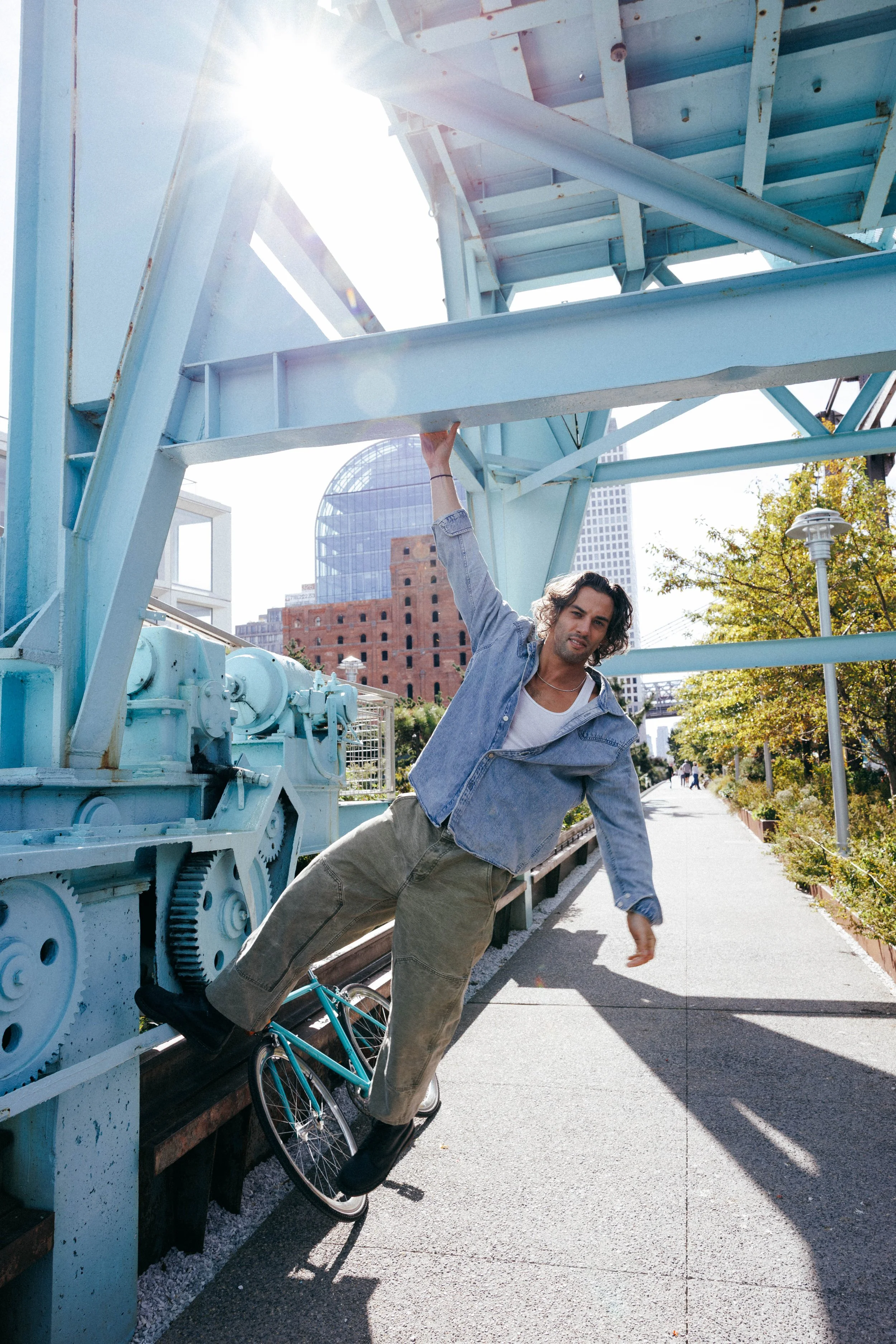
Photos by Morgan Loftus
Brooklyn-based artist Couvo, born Josh Couvares, didn’t overthink his stage name; it’s simply a play on his last name, a casual shorthand that stuck. That unpretentiousness tracks with the rest of his music journey. Long before releasing his latest album, Empty Country, he was a high school kid in a band called Common Cents, teaching himself whatever he needed to make music. He started on drums, but wanted to go even further. He picked up The Idiot’s Guide to Music Theory, taught himself piano, and eventually added bass and guitar to his repertoire.
Empty Country, released this past summer, is a portrait of New York’s emotional landscape as much as it is his own. Couvo describes the album as “loneliness, hopefulness, earnest,” three words that capture the strange blend of isolation and optimism that colors early adulthood in the city. His goal was simple: “I want people to feel less alone.” Listening to the record, he says, should feel like walking through New York with someone who actually understands what you’re going through.
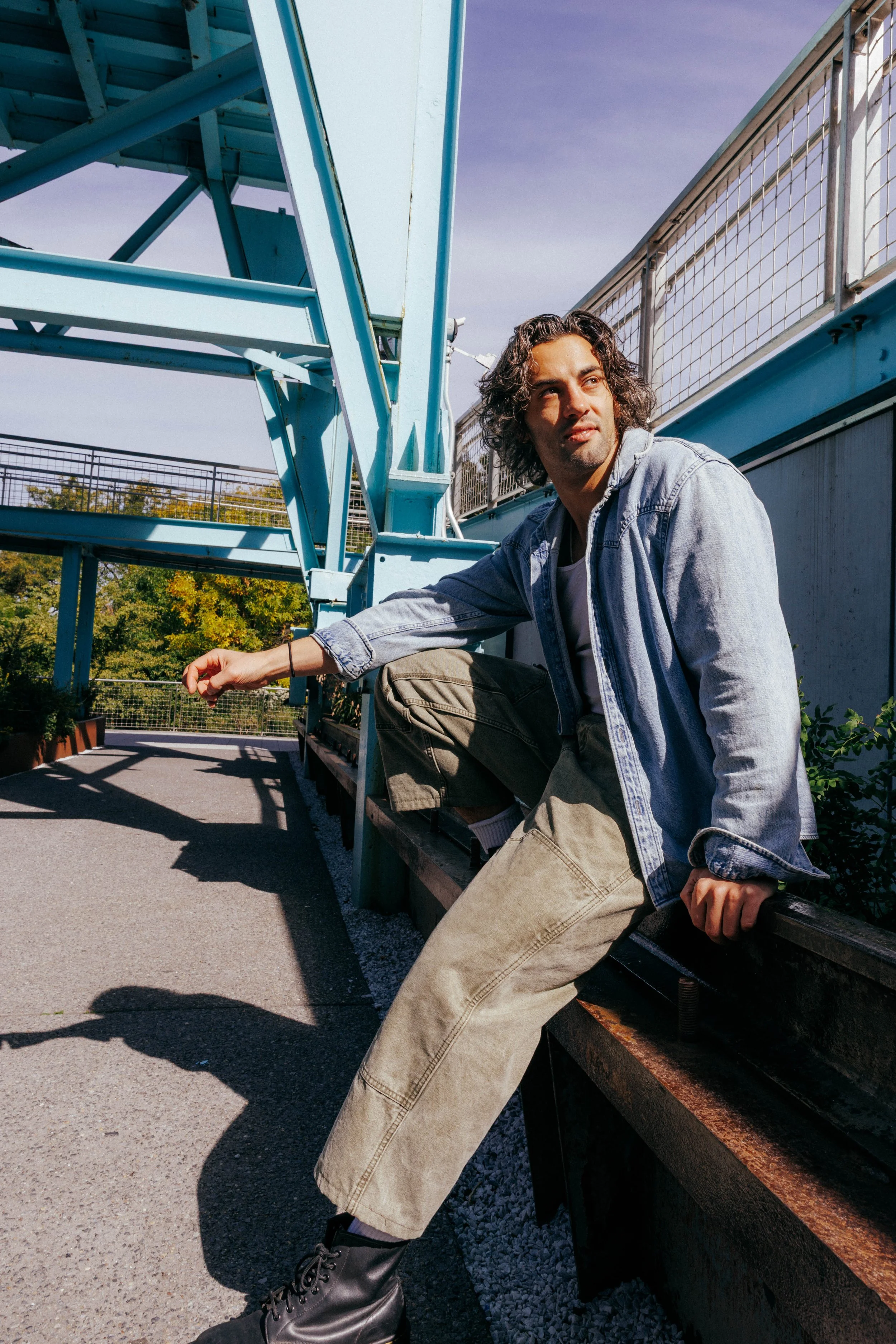
For Couvo, the magic of music intensifies on the stage. He loves “shows where [he] can control the creation…from the audience,” where the atmosphere becomes something he can shape with his voice and hands. It’s part of why Union Pool in Brooklyn is his favorite venue; it’s intimate, electric, and alive.
As for what’s next, Couvo is careful but excited. The projects he’s most energized by, he hints, “maybe we’ll begin to hear towards the end of this year.” His next album is already in the mixing stages and may carry the (very) devastating title When You Still Thought I Was Someone Good For You, which, for me, implies a huge emotional shift from the hopeful ache of Empty Country toward something sharper and more wallowing.
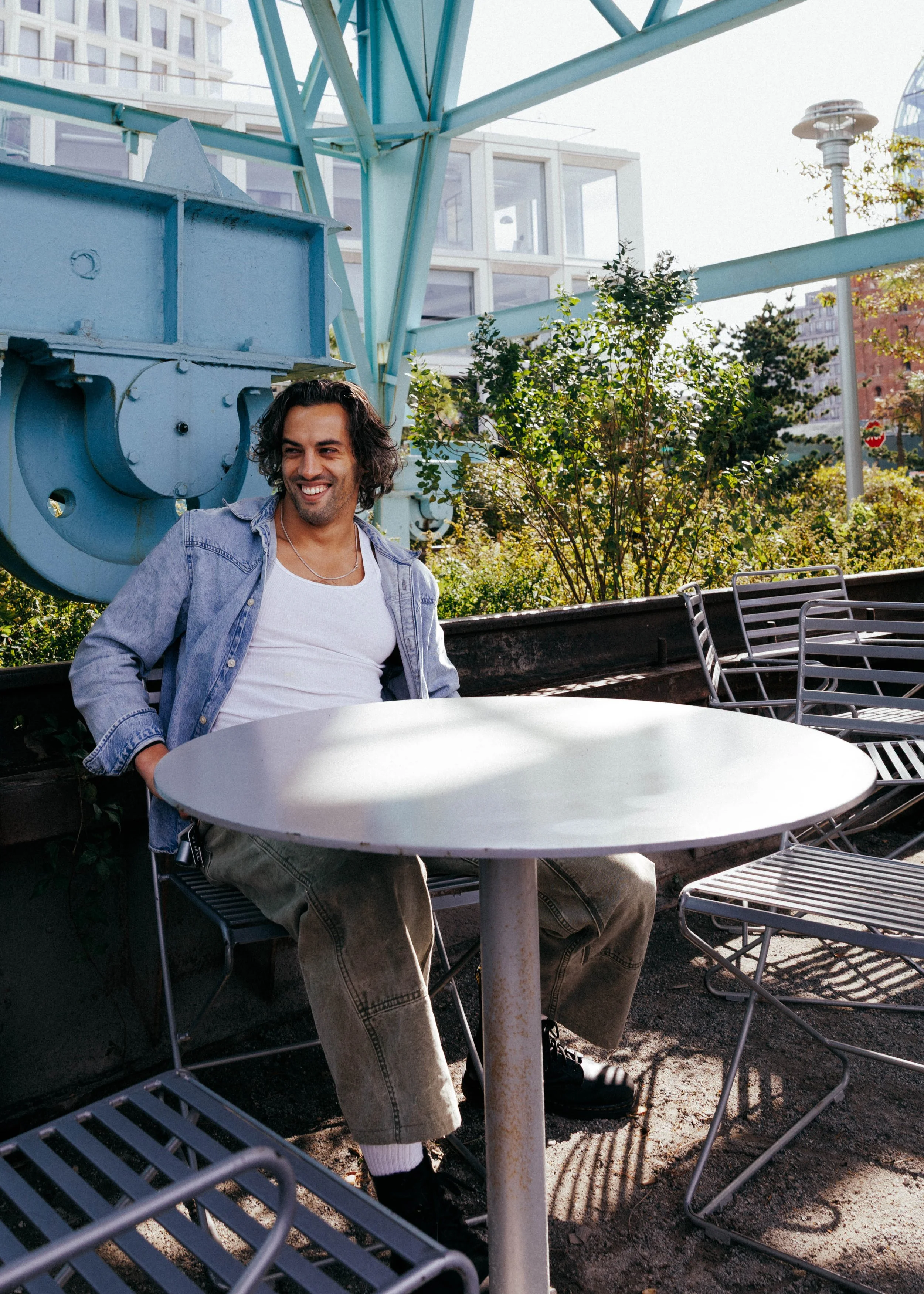
Despite his growth as a musician, Couvo’s process hasn’t lost its contradictions. Ask him his favorite part of making a project, and he’ll shrug: “It all kinda sucks, but it’s all kinda great.” He cites Dijon, Bruce Springsteen, and New York City-based GLOM as major inspirations, but his work is unmistakably his own. It’s desperate, sincere, and grounded in the desire to make people feel seen.