AI and Music: Friends or Foes?
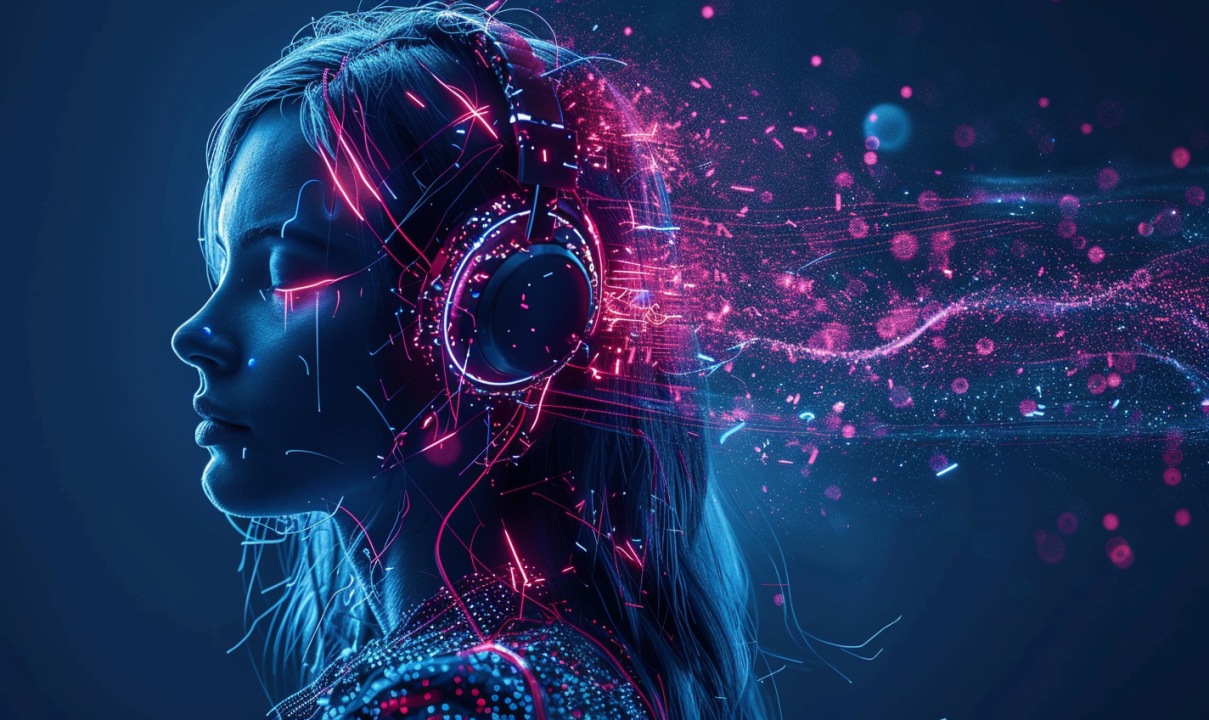
Image via TheDataScientist
Artificial intelligence is no longer a distant experiment in music. Currently, AI is significantly impacting how songs are written, produced, and distributed. From AI-assisted composition tools to algorithms that generate beats, melodies, and lyrics, generative AI is quickly becoming a collaborator in the creative process.
However, some artists defend generative AI, saying that, for independent artists in particular, AI lowers barriers to entry by making high-quality production more accessible than ever. At the same time, AI raises urgent questions about authorship, originality, and labor. Models are trained on existing music, sparking debates over consent, compensation, and artistic ownership. Many musicians worry that AI-generated tracks could flood streaming platforms, devaluing human creativity and making it harder for artists to earn a living in an already competitive industry.
Additionally, the environmental costs of AI-driven music production are devastating. Training and running large AI models requires significant computational power, which translates into high water consumption and carbon emissions, especially when powered by nonrenewable sources. As generative AI music tools are used more frequently, their environmental footprint grows, complicating the industry’s already substantial impact on climate through data centers, digital distribution, and constant online consumption.
The music industry now faces a moment of negotiation. For the foreseeable future, use of AI is not going to go away. That being said, clear policies, ethical training practices, and fair compensation models will determine whether AI becomes a threat or a creative partner. As listeners and creators alike adapt, the future of music may depend less on whether AI is used, and more on how responsibly (and imaginatively) it is integrated into the music industry.